
Hiking for Beginners: Your First Trail Guide (2026)
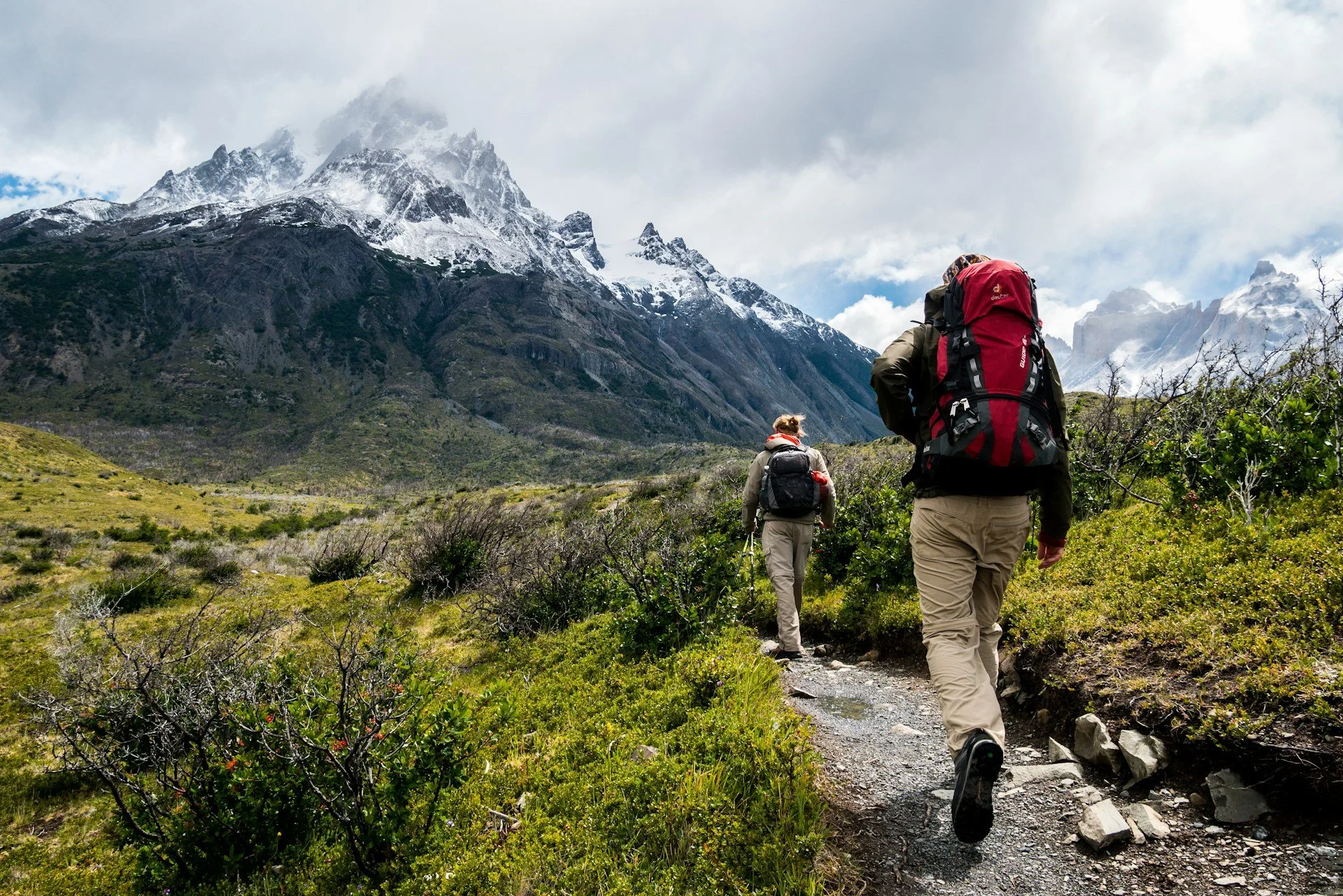
Photo by Toomas Tartes on Unsplash
Never been hiking? This beginner-friendly guide covers everything you need for your first hike—no experience, fancy gear, or athletic ability required.
Think you need to be super athletic to go hiking? That you need hundreds of dollars in gear? That you'll embarrass yourself on the trail because everyone else knows what they're doing?
Nope, nope, and definitely nope.
Here's the truth: if you can walk to your car, you can go hiking. That's it. That's the barrier to entry.
This guide will walk you through everything you need to know for your first hike—from choosing a trail that won't destroy you to packing the right stuff (spoiler: you probably already own most of it). By the end, you'll know exactly how to plan your first hike without the intimidation factor that keeps so many people from ever trying.
Let's get you on a trail.
What Actually Counts as "Hiking"?
Let's clear this up right away: hiking is just walking on a trail. That's it.
The main difference between hiking and your regular neighborhood walk? You're on uneven terrain in a natural setting instead of pavement. Maybe there are some roots to step over, some rocks to navigate around, a gentle incline here and there. But fundamentally, you're just... walking.
It doesn't have to be in the mountains. It doesn't require wilderness survival skills. You don't need to summit anything or reach a dramatic overlook (though those are nice bonuses). A 2-mile loop through a local nature preserve? That's hiking. A woodland trail at your city park? Also hiking.
If you can walk to your mailbox, you're already qualified. Everything else is just details.
Choosing Your First Trail (This Is Critical)
Your first hiking experience can make or break whether you ever want to go again. Pick a trail that's too hard, and you'll spend the whole time miserable, wondering why anyone enjoys this. Pick the right trail, and you'll finish feeling accomplished and maybe even a little hooked.
Look for These Beginner-Friendly Features:
Distance: 2-3 miles or less round trip This is the sweet spot for first-timers. Short enough that you won't be dying halfway through, long enough that it feels like an actual hike. You can always go farther next time.
Difficulty rating: "Easy" or "Moderate" Most trail websites and apps rate trails by difficulty. Stick with "easy" for your first one. "Moderate" is okay if you're reasonably active, but don't let your ego talk you into "strenuous" on day one.
Well-marked and maintained trails Look for trails that are described as "well-maintained" or "clearly marked." You want obvious paths, visible trail markers, and ideally some signs at intersections. This is not the time for adventure.
Popular trails Counterintuitive, but popular trails are great for beginners. More people means the trail is probably easier to follow, safer, and you won't feel alone if something goes wrong. Plus, seeing other hikers (including families with kids) is reassuring.
Loop vs. out-and-back Loop trails bring you back to where you started via a different path. Out-and-back trails mean you walk to a destination, then turn around and return the same way. For your first hike, either works—but out-and-back trails make it easier to turn around early if you need to.
Where to Find Trail Info:
AllTrails is your best friend. It's free, has photos, reviews from real hikers, and shows difficulty ratings. You can filter by distance and difficulty, which is perfect for beginners.
Local parks department websites often have trail guides for nearby parks.
REI and outdoor store websites sometimes have regional trail recommendations.
Ask at outdoor stores or visitor centers—they can point you toward beginner-friendly local trails.
Red Flags to Avoid on Your First Hike:
Trails with elevation gain over 500 feet (your legs will hate you)
Anything rated "strenuous" or "difficult"
Remote or unmarked trails
Trails requiring river crossings or scrambling over rocks
Trails with limited cell service unless you're going with experienced friends
What to Bring on Your First Hike
Here's where beginners often get overwhelmed. The outdoor industry wants you to think you need $500 worth of gear before you can set foot on a trail.
You don't.
For your first easy hike, you probably already own everything you need.
The Essentials (You Probably Already Own These):
Water: 1 liter minimum for a 2-3 hour hike Hydration is non-negotiable. Bring more than you think you'll need. A reusable water bottle is fine—no need for a fancy hydration bladder yet.
Snacks: Energy bars, trail mix, fruit, whatever Even on a short hike, bring something to eat. Your body burns more calories than you expect, and having snacks prevents that shaky, cranky feeling.
Phone: Fully charged Your phone is your map, camera, and emergency device. Download the trail map in AllTrails before you go (you can access it offline). Take photos of trail markers as you go—it helps on the way back.
Comfortable shoes: Sneakers are totally fine Controversial opinion: you don't need hiking boots for easy trails. Athletic shoes or running shoes with decent tread work great. Save the $150 boots for later if you stick with hiking.
Weather-appropriate clothing: Layers are key Check the forecast. Dress in layers you can remove if you get hot. Avoid cotton if possible (it stays wet and cold)—synthetic materials or merino wool are better. But honestly, for your first short hike, just wear something comfortable.
Nice to Have (But Not Required):
Small backpack or daypack to carry your stuff
Sunscreen (you're outside longer than you think)
Bug spray (depending on season and location)
Basic first aid kit (bandaids, blister treatment)
Hat and sunglasses
What You DON'T Need Yet:
Expensive hiking boots (your sneakers are fine)
Trekking poles (useful later, overkill for easy trails)
GPS device (your phone works)
Fancy technical gear (save your money until you know you like hiking)
Want the full breakdown of what gear actually matters?
Basic Hiking Etiquette (So You Don't Look Like a Tourist)
Nobody expects beginners to know all the unwritten rules, but here are a few basics that'll help you blend in:
Uphill hikers have right of way. If you're heading downhill and meet someone coming up, step aside and let them pass. Going uphill is harder, and stopping breaks their momentum.
Step aside to let faster hikers pass. If someone's coming up behind you at a quicker pace, just move over and let them go. A friendly "go ahead!" works great.
Leave No Trace. Pack out everything you pack in. Don't leave trash, orange peels, or anything else. Stay on the marked trail—don't cut switchbacks or create new paths.
Greet other hikers. A simple "hey" or "good morning" is normal trail culture. You don't have to stop and chat, but acknowledging people is standard.
Keep dogs leashed (if the trail allows dogs at all). Even if your dog is friendly, not everyone wants to interact with them.
Don't blast music. Most people hike for the nature sounds and peace. Keep your Spotify to yourself or use one earbud at low volume.
Safety Basics Every Beginner Should Know
Let's address the fears without making you paranoid.
Before You Go:
Tell someone where you're going and when you'll be back. Text a friend with the trail name and your estimated return time. If something happens, someone knows where to look.
Check the weather forecast. Obvious but important. Don't hike if thunderstorms are predicted, and prepare for temperature changes (it's often cooler on trails than in town).
Start early. Aim to finish before dark. Most beginners underestimate how long a hike takes—plan for 2 miles per hour on easy trails, slower on moderate ones.
Bring water and snacks even for short hikes. Dehydration and low blood sugar make everything harder and more dangerous.
On the Trail:
Turn back if weather changes. If dark clouds roll in or conditions get sketchy, there's zero shame in turning around. The trail will be there another day.
Don't hike with headphones in both ears. You need to hear your surroundings—other hikers, wildlife, changing weather.
Take photos of trail markers and intersections. This helps you navigate back, especially on out-and-back trails.
If you get lost: stay put, call for help, don't panic. Most "lost" hikers are just temporarily turned around on a well-trafficked trail.
Wildlife Awareness (Without Paranoia):
You probably won't see any dangerous animals. Seriously. Wildlife generally avoids humans.
That said:
Make noise as you hike (talk, sing, clap occasionally). Bears and mountain lions don't like surprises.
Don't approach or feed any wildlife, even cute ones
If you see a snake, just give it space and walk around
Store your food properly (don't leave it on the ground during breaks)
What to Expect During Your First Hike
Let's set some realistic expectations so you're not caught off guard.
Physical Reality Check:
You'll probably be sore tomorrow. Hiking uses different muscles than walking on flat ground. That's completely normal and means you got a good workout.
Take breaks whenever you want. There's zero shame in stopping to catch your breath, drink water, or just look around. Hiking isn't a race.
Going slow is completely fine. You might see people practically running up the trail. Ignore them. Go at your own pace.
Uphill is harder than it looks. It's not just you. Everyone finds elevation gain challenging, even experienced hikers.
Mental/Emotional Stuff:
The first 10 minutes might feel awkward. Your body's adjusting, you're finding your rhythm. Push through—it gets better.
You might feel self-conscious. Like everyone's judging you for being slow or stopping for breaks. They're not. Everyone's focused on their own hike.
It's okay to turn around early. If you're not feeling it, there's no requirement to finish. Better to end on a positive note than to push through misery.
The views and experience are worth any discomfort. That moment when you reach a clearing or a viewpoint and see something beautiful? That's why people hike.
Common Beginner Mistakes (Learn from Others)
Starting with a trail that's too hard → You burn out, hate it, never want to hike again. Start easy.
Not bringing enough water → Dehydration makes you feel terrible and everything is harder.
Wearing brand new shoes → Blisters. So many blisters. Break in new shoes before a hike.
Not checking the weather → Getting caught in rain or extreme heat ruins the experience.
Going alone without telling anyone → Safety issue. Always tell someone your plans.
Expecting to feel like an expert → You won't. You'll feel like a beginner. That's fine—everyone starts somewhere.
Your First Hike Checklist
The Night Before:
☐ Check weather forecast
☐ Charge phone fully
☐ Pack water bottle and snacks
☐ Tell someone your hiking plan
☐ Download trail map on AllTrails (offline mode)
☐ Set your alarm (start early!)
Morning Of:
☐ Wear comfortable, weather-appropriate clothes in layers
☐ Put on sunscreen
☐ Double-check you have water
☐ Bring your phone
☐ Start in the morning (better weather, more daylight)
During the Hike:
☐ Take it slow—find your comfortable pace
☐ Drink water regularly (don't wait until you're thirsty)
☐ Take photos at trail markers and intersections
☐ Turn around at the halfway point (for out-and-back trails)
☐ Enjoy yourself (seriously—look around, breathe, notice things)
After:
☐ Stretch your legs
☐ Hydrate
☐ Celebrate—you did it!
What Comes After Your First Hike?
If you enjoyed your first hike (or even if you just survived it), here's how to keep building:
Gradually increase distance. Add 0.5-1 mile to your next hike. Don't jump from 2 miles to 8 miles.
Try slightly harder trails. Once easy trails feel comfortable, experiment with moderate difficulty or a bit more elevation gain.
Explore different trail types. Forest trails, desert landscapes, coastal paths, mountain views—every environment offers something different.
Consider investing in better gear. If you're hiking regularly, upgrade to proper hiking boots, a good daypack, and moisture-wicking clothes. But only after you know you're committed.
You're Ready
Here's the thing about hiking: the first one is the hardest. Not because it's physically difficult (you're choosing an easy trail, remember?), but because you're doing something new and that always feels a bit intimidating.
But here's what I know: if you can walk, you can hike. You don't need to be an athlete. You don't need expensive gear. You don't need to know everything before you start.
You just need to pick a trail, pack some water, and go.
The trail doesn't care about your fitness level or your fancy equipment. It's just there, waiting for you to show up.
So show up.
Interested in branching out? Try Trail Running for Former Couch Potatoes or Indoor Rock Climbing for Beginners.
Have questions about your first hike? Drop a comment below—I'd love to hear what you're planning!